Vampire Monster Embroidery Design
First Impression: Playful, Festive, and Instantly Recognizable
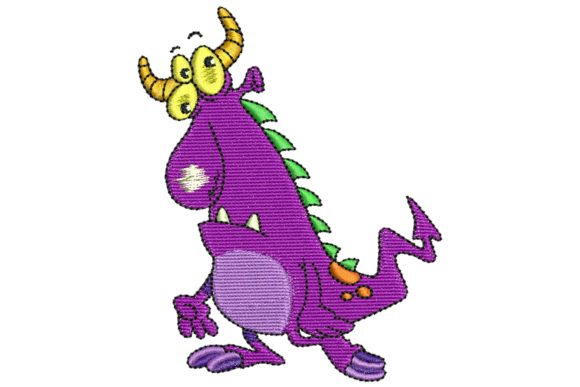
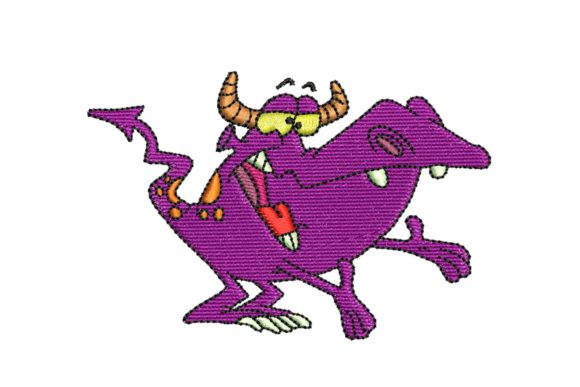
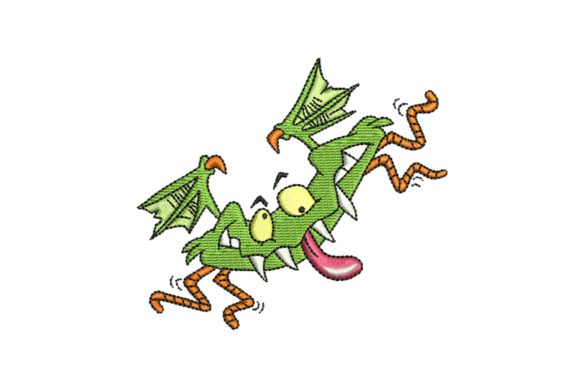
As an embroidery designer who’s built seasonal collections for over twelve years, my first glance at Vampire Monster landed with a grin—not the fanged kind, but the “yes, this will sell” kind. It’s not spooky-creepy or gothic-gloomy; it’s delightfully playful, with bold outlines, exaggerated features, and that signature green monster-vampire hybrid energy. The design leans into Halloween’s lighthearted side—think family-friendly frights, not horror-movie intensity. Its cartoonish charm feels nostalgic yet fresh, making it ideal for holiday embroidery that bridges generations: grandparents stitching it on baby onesies, teens customizing hoodies, and craft fairs featuring matching sibling sweatshirts.
Real-World Seasonal Use: Where Vampire Monster Shines
Vampire Monster thrives in high-engagement, gift-driven contexts. On soft fleece sweatshirts? It reads clearly even at 4.5 inches wide—ideal for kids’ holiday apparel and family matching sets. As a tote bag design? Its strong silhouette pops against canvas or cotton duck, especially when paired with a simple phrase like “Trick or Treat Crew” in complementary script. For kitchen towel embroidery, its clean line work avoids excessive stitch density, so it holds up beautifully after repeated washing and drying.
It’s also a standout for pillow covers and embroidered patches—two top-performing categories for Etsy sellers during October. The design scales well down to 3 inches without losing character, making it perfect for ornaments and mini table linens. And because it’s expressive rather than text-heavy, it works seamlessly in printable mockups and social media previews: no need to explain the joke—it lands instantly. Buyers scrolling through holiday listings recognize the mood, the season, and the handmade gift potential in under two seconds.
Careful Applications: Know Your Limits
That said, Vampire Monster isn’t universally forgiving—and that’s where experience matters. Avoid using it on tightly curved surfaces like baseball caps unless you’ve tested it on a similar fabric-and-structure combo first. Stretchy garments (think ribbed knit long-sleeve tees) require extra stabilizer and possibly reduced density to prevent puckering around the eyes or mouth details. Thick terry cloth towels demand careful hooping and cutaway stabilizer—don’t rely on tear-away alone.
Dark fabrics call for thoughtful thread colors: lime green may vanish on charcoal, but kelly green or chartreuse pops beautifully. Metallic thread? Skip it—the design’s charm lies in its bold, flat color fields, not shine. And while it’s great for baby items, avoid tiny lettering additions (e.g., “My First Halloween”) unless you’re confident in your machine’s precision and hoop size. Always confirm the embroidery file’s smallest recommended hoop size before committing to a production run.
Why It Builds Trust and Drives Holiday Sales
Holiday shoppers don’t just buy designs—they buy confidence, consistency, and emotional resonance. Vampire Monster delivers all three. Its clear, cohesive style reinforces brand identity across product types: same motif on a patch, pillow cover, and apron tells customers, “This is your shop’s Halloween voice.” That visual recognition builds trust, especially for small shop owners relying on repeat buyers and word-of-mouth referrals.
It also lifts perceived product value. A plain black tote becomes a curated, giftable item with Vampire Monster centered and stitched cleanly. Add a handwritten tag (“Hand-embroidered for Halloween 2024”) and you’ve transformed a digital embroidery file into a personalized gift with heart. Social proof follows naturally—customers post unboxings, craft fairs feature coordinated displays, and Etsy listings see higher conversion when mockups show real-world use (not just isolated icons).
Practical Designer Notes Before You Stitch
- Test thread colors on both light and dark fabric—especially greens and purples. What reads as “vampiric” on white may look muddy on navy.
- Check stitch density before bulk production. High-density fills can stiffen delicate fabrics like linen napkins or baby swaddles.
- Confirm hoop size compatibility with your most-used machines—and verify if the file includes multiple sizes or only one.
- Use proper stabilizer: cutaway for knits and towels, lightweight tear-away for stable wovens like cotton poplin.
- Create realistic mockups—not just flat PNGs. Show Vampire Monster on a folded kitchen towel, a slightly rumpled sweatshirt cuff, or a gift-wrapped pillow cover.
- Review small details after stitching: eyes, teeth, and cape edges should be crisp. If they blur or feather, adjust tension or stabilizer choice.
- Plan matching color palettes across products—e.g., use the same thread green for Vampire Monster, coordinating border stitches on pillow covers, and printed tags.
- Confirm commercial licensing before selling finished seasonal products. Since Vampire Monster is Clipart by Ron Leishman (Toonaday.com), verify usage rights directly with the source—don’t assume.
Final Thought: A Seasonal Workhorse with Personality
Vampire Monster isn’t just another Halloween embroidery file—it’s a versatile, emotionally intelligent asset for holiday product creators. It balances fun and function, charm and clarity, simplicity and memorability. When used intentionally—with attention to fabric texture, thread choice, and customer context—it transforms ordinary items into sought-after handmade gifts. For Etsy sellers, craft fair vendors, and small business owners building limited-edition drops, it’s the kind of seasonal embroidery that sells early, shares widely, and returns year after year—not because it’s trendy, but because it feels authentically, joyfully *Halloween*.